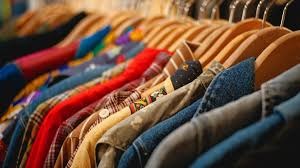

Classic Menswear in a Data-Driven World: Can Algorithms Predict Style?
Classic menswear stands at a fascinating crossroads as the $2tn global fashion industry seeks more eco-friendly approaches to style prediction. While timeless blazers, oxford shirts, and quality denim have traditionally relied on expert intuition, the industry now faces mounting pressure to reduce its environmental footprint. This sector currently contributes at least 4% of worldwide emissions and generates over 92 million tons of fabric waste annually.
This waste problem is particularly concerning at the time you think over that 40% of fashion products worldwide never sell at full price and 25% don’t sell at all. But advancements in predictive analytics and machine learning are reshaping how classic menswear brands approach trend forecasting. These sophisticated tools now use computer vision and deep learning to analyze runway photos, street-style images, and social media content, detecting emerging patterns before they become mainstream.
The potential benefits are most important—accurate trend forecasts can reduce waste, save money, and give classic menswear stores a competitive advantage. Some advanced systems can even generate specific predictions up to a year in advance, such as “Pinstripes are forecasted to be 80% more visible in the European market in the next year.” Despite these technological capabilities, a critical question remains: can algorithms truly understand and predict the nuanced development of classic menswear items that often derive their appeal from tradition and timelessness?
The roots of classic menswear and traditional forecasting
The origins of menswear date back centuries, with clothing originally serving as protection before changing into symbols of status and style. Since ancient Egypt, where rulers wore elaborate tunics and accessories to intimidate subjects, clothing has served a dual purpose: protection from elements and an overt symbol of rank and fortune.
How classic menswear trends have historically evolved
The true transformation of menswear began in the early 19th century with Beau Brummell, who replaced the heavily embroidered French court styles with a more refined and understated form of dress. The Victorian era (1837-1901) introduced the frock coat as the predominant men’s garment, which eventually evolved into the morning coat and the lounge suit. The lounge suit, developed in Scotland during the 1850s, was originally considered casual attire, in contrast to today’s perception of suits as formal wear.
Throughout the 20th century, suit styles shifted dramatically with each decade. The 1920s featured elaborate, heavily-embellished suits showing off wealth, while the Great Depression led to somber, wide double-breasted styles. The 1930s—often called the “golden age of classic menswear”—introduced the drape cut with wide shoulders and high-rise, full-cut trousers. World War II brought minimalist styles due to fabric rationing, followed by the conformist 1950s business attire and the rebellious styles of the 1960s and beyond.
The role of intuition and cultural observation in style prediction
Fashion forecasting originated in France during Louis XIV’s reign, initially as a communication method before becoming a competitive advantage. Traditionally, forecasters relied on intuition and observation—attending runway shows, studying street styles, and monitoring cultural movements. They gathered photographs, fabrics, and color swatches to translate impressions into seasonal reports.
Forecasting is fundamentally “a profession that uses a combination of intuition and reason,” requiring forecasters to be “fearless in trusting one’s intuition before decrypting the social and cultural shifts.” They must reflect on why change is happening while embracing social studies, anthropology, and history.
Limitations of traditional forecasting in a fast-paced world
Despite its artistry, traditional forecasting faces the most important challenges in today’s environment. While bell-bottom jeans remained popular for over a decade in the 1960s-70s, modern trends move faster due to social media and fast-fashion business models. Traditional methods are inherently slow—taking months to detect shifts that now happen in hours.
On top of that, traditional forecasting often relies too heavily on historical data, which becomes problematic when “history doesn’t repeat itself” in volatile markets. Finally, these methods struggle with data accuracy and reliability issues, creating blind spots in predicting granular demand by SKU, region, or customer segment without extensive customization.
How data and AI are reshaping trend forecasting
In recent years, artificial intelligence has fundamentally changed how fashion brands predict what consumers will want to wear next. Unlike traditional methods that rely mainly on intuition, modern trend forecasting controls vast amounts of data to make predictions with unmatched precision.
From runway to algorithm: how AI reads fashion signals
Sophisticated AI models now automatically scan thousands of runway images to instantly extract prevalent color palettes and patterns. These systems can recognize over 2,000 fashion attributes—from macro prints and colors to granular shapes and specific product lines. AI-powered platforms like Heuritech employ proprietary image recognition technology that analyzes millions of social media images monthly, measuring and classifying fashion elements with over 90% accuracy. The technology doesn’t just identify what’s trending; it detects subtle signals from “edgy” users who often initiate trends before they reach mainstream adoption.
Social media, sales data, and search trends as inputs
The modern trend forecasting ecosystem draws from many data streams. AI systems continuously scan social media platforms, fashion blogs, online forums, and influencer content to identify emerging patterns. Heuritech’s system classifies social media users into three key segments: “edgy” (novel style originators), “trendy” (influential early adopters), and “mainstream” (general consumers). Beyond social content, algorithms also analyze e-commerce behaviors, search queries, and brick-and-mortar point-of-sale data. So, companies like IBM have partnered with the Fashion Institute of Technology to develop specialized APIs that support fashion companies in enhancing customer experience and refining product design.
Real-time analysis vs seasonal predictions
Traditional fashion forecasting operated on seasonal cycles, often placing brands in reactive positions. AI, on the other hand, enables continuous intelligence cycles that eliminate these constraints. While traditional forecasting might take months to detect changes, AI systems can flag emerging trends in near real-time. Then, some global retailers have reduced design-to-shelf timelines from 8–9 months to as little as 4–6 weeks by integrating AI insights. On top of that, it can extend predictions up to 24 months ahead, allowing classic menswear brands to make more confident decisions about future collections. The technology also enables localized trend forecasting, helping brands adapt their strategies for each region and geography.
What algorithms can (and can’t) predict in classic menswear
While algorithms excel at processing massive datasets, they face unique challenges at the time they are applied to classic menswear. The tension between data science and sartorial tradition reveals both the potential and limitations of predictive technologies in this distinctive fashion niche.
Can AI understand timelessness and heritage?
Algorithms struggle to calculate the intangible elements that define classic menswear. The heritage value of a Savile Row suit or the cultural significance of Oxford shoes exists beyond measurable data points. Though AI can track popularity trends for traditional items, it cannot fully comprehend why certain pieces maintain their appeal across generations. This fundamental limitation becomes apparent at the time algorithms attempt to assess the craftsmanship and historical context that imbue classic garments with their enduring value.
The challenge of predicting subtle changes in classic menswear items
Classic menswear evolves through nuanced modifications rather than dramatic reinventions. These subtle changes—slightly narrower lapels or marginally shorter jacket lengths—often prove too delicate for algorithms to detect with precision. Furthermore, classic menswear operates on longer trend cycles than fast fashion, sometimes spanning decades rather than seasons. This extended timeframe complicates the algorithmic forecasting models accustomed to rapid fashion cycles.
Why human judgment still matters in style curation
The esthetic appreciation of classic menswear remains inherently human. Expert curators bring contextual understanding and experiential wisdom that algorithms cannot replicate. Machines lack the cultural intuition and esthetic sensibility necessary for true style appreciation. Notwithstanding that, the most effective approach combines human expertise with algorithmic insights—allowing each to compensate for the other’s weaknesses in the ongoing development of classic menswear.
The future of classic menswear in a data-driven world
The combination of data analytics with classic menswear marks a radical alteration for an industry long guided by tradition. Fashion analytics now allows brands to make decisions based on concrete insights rather than relying solely on instinct.
Opportunities for classic menswear brands using AI
AI-powered insights give classic menswear brands significant advantages in sustainability and profitability. Fashion companies using data analytics perform 68% better than their competitors. These tools help minimize overstock issues, which is critical since 40% of fashion products worldwide never sell at full price and 25% don’t sell at all. Predictive technology lets brands customize offerings, forecast trends up to 24 months in advance, and reduce development time through efficient processes.
Balancing tradition with innovation
Modern menswear curation requires maintaining heritage foundations while accepting new ideas. Brands like ZEGNA illustrate this approach, honoring their century-old commitment to craftsmanship while simultaneously embracing innovative design. Successful classic menswear brands now integrate sustainability alongside new ideas, using eco-friendly fabrics like organic cotton and linen along with digital design tools that ensure precise tailoring without compromising classic esthetics.
How classic menswear stores can adapt to predictive tools
Classic menswear retailers can implement AI through several practical approaches. Digital customization has transformed retail experiences, allowing customers to design tailored garments that reflect individual priorities. Virtual tailoring has made bespoke services accessible to more people, not just affluent clients. Remarkably, 47% of consumers would spend up to 20% more for tailored in-store shopping experiences.
Conclusion
Classic menswear stands at a pivotal moment between centuries of tradition and the new frontier of algorithmic prediction. Evidence-based approaches offer significant advantages for reducing waste, increasing efficiency, and meeting consumer demands with greater precision. All the same, algorithms still struggle to fully grasp the intangible elements that define timeless style—the heritage, craftsmanship, and cultural context that give classic pieces their enduring appeal.
The future definitely belongs to brands that successfully balance data insights with human expertise. Fashion companies embracing analytics outperform their competitors, yet those that completely abandon traditional curation risk losing the soul of classic menswear. Human judgment remains essential for understanding subtle style progress that occurs over decades rather than seasons.
Most compelling evidence suggests that classic menswear will neither fully surrender to algorithms nor completely reject them. Instead, a hybrid approach emerges as the most promising path forward. Retailers who combine AI-powered trend forecasting with expert curation can reduce environmental effects while still honoring the rich tradition of menswear.
Above all, the transformation of classic menswear in this evidence-based world reflects broader tensions between tradition and state-of-the-art. Algorithms excel at processing vast amounts of information but fall short when decoding the nuances of timeless style. Therefore, the most successful brands will likely be those that use data to inform decisions while allowing human expertise to guide the final esthetic judgment.
Classic menswear has always evolved gradually, and this technological revolution represents another chapter in its ongoing story rather than its conclusion. The tailored suit, oxford shirt, and quality denim will without doubt remain staples—albeit ones increasingly shaped by evidence-based insights that help them remain relevant for generations to come.
FAQs
How is AI changing trend forecasting in classic menswear?
AI is revolutionizing trend forecasting by analyzing vast amounts of data from runway images, social media, and sales records. It can detect emerging patterns and predict trends up to 24 months in advance, helping brands make more informed decisions about future collections.
Can algorithms truly understand the timeless appeal of classic menswear?
While algorithms excel at processing data, they struggle to fully grasp the intangible elements that define classic menswear, such as heritage, craftsmanship, and cultural significance. Human expertise remains crucial in understanding and curating timeless style.
What are the benefits of using data analytics in classic menswear?
Data analytics can help classic menswear brands reduce waste, increase efficiency, and improve profitability. Companies using these tools can better predict demand, minimize overstock issues, and customize offerings to meet consumer preferences.
How are classic menswear stores adapting to new predictive technologies?
Many stores are implementing digital customization tools, virtual tailoring services, and AI-powered trend forecasting. These technologies allow for personalized shopping experiences and more precise inventory management while maintaining the essence of classic style.
What is the future of classic menswear in a data-driven world?
The future of classic menswear likely lies in a hybrid approach that balances data-driven insights with human expertise. Successful brands will use AI to inform decisions while relying on human judgment for final esthetic choices, ensuring that tradition and innovation coexist harmoniously.