Choosing the Right Forearm Crutches Tips for Mobility and Recovery in Australia
There’s a strange sort of pause that happens when your legs stop cooperating — that moment when walking, something you once did without thinking, suddenly demands planning, patience, and balance. You find yourself staring at a pair of forearm crutches, wondering how these slender sticks could replace your freedom. But they can. And if chosen right, they do much more than support your body — they steady your spirit.
Most people grab the first pair of crutches they find, just wanting to move again. Yet comfort, posture, recovery — all hinge on getting the right fit. The wrong pair will remind you of your mistake every step of the way; the right ones will feel almost invisible. That’s the quiet difference that turns daily struggle into gradual strength.
So, let’s talk about what really matters when choosing forearm crutches in Australia — in the real, lived sense of recovery, not the clinical one.
Understanding Forearm Crutches — and Why They Matter
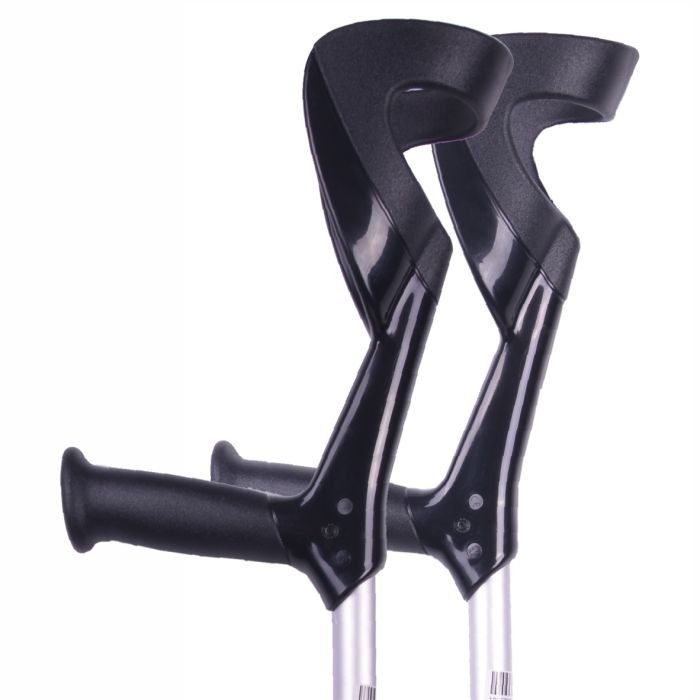
Forearm crutches, or elbow crutches, are more than mobility aids. They’re a design of balance — a cuff that wraps around your arm, a handle for your palm, and a sense of support that feels natural once you learn its rhythm.
Unlike underarm crutches, which dig and bruise, these keep your shoulders free and your posture upright. They make you feel mobile again — not like you’re hobbling, but like you’re learning a new way to move.
They’re for people rebuilding strength after surgery, recovering from injury, or managing conditions that make walking uncertain. And when chosen well, they don’t just help you get from one place to another — they help you feel capable again.
The Fit That Changes Everything
Getting the fit wrong can turn recovery into a daily battle. Too tall, and your shoulders will ache. Too short, and your back will tighten.
Here’s the balance: when your arm hangs loose by your side, the handle should align with your wrist. That gives your elbows a comfortable bend — not too stiff, not too loose. The cuff should rest a few centimetres below your elbow — close enough for control, far enough not to dig.
It sounds like a small detail, but this is where recovery begins. Because every inch of alignment you get right saves you from hours of discomfort later.
Comfort Isn’t a Luxury — It’s Medicine
If you’re relying on forearm crutches for weeks or months, comfort isn’t an afterthought. It’s survival. The right grip will spare your palms. The right weight will save your shoulders.
Look for models made from light but strong materials — aluminium or carbon fibre if possible. Choose ergonomic handles shaped to fit your hand, not flatten it. Opt for padded cuffs that hug without pinching.
Some advanced models come with shock absorbers — tiny mechanisms that cushion impact with every step. It’s the kind of feature you don’t think you need until the first time you try it, and your joints whisper Thank you.
Built for Real Life, Not Just Indoors
Here’s the thing: crutches live where you do. They’re not museum pieces. They’ll scrape footpaths, face rain, bump into furniture, and carry you across gravel car parks and uneven grass.
If you live in Australia, you need durability. Non-slip ferrules (rubber tips) are essential. The wider and more textured the base, the better it grips outdoor surfaces. And make sure they’re replaceable — they wear down faster than you think.
Consider the small details: non-rusting frames, weather-resistant materials, a little flex in the shaft for shock absorption. You’ll be surprised how much smoother your days feel when your crutches keep up with the world around you.
Match Them to the Life You Live
There’s no one-size-fits-all when it comes to mobility. Your needs will depend on your body, your pace, and your plans.
If your injury is temporary, light adjustable crutches might be perfect. If you’re managing a long-term condition, look for medical-grade options that prioritise comfort and longevity. Some people even prefer foldable crutches — easy to tuck away in a car or plane cabin, ready to go when you are.
For Australians looking for dependable, medically designed aids, Bodyassist has become a trusted name — offering ergonomic supports and mobility gear built not just for function, but for comfort and confidence.
The Art of Using Them Right
Crutches aren’t about strength alone — they’re about rhythm, timing, and posture. The best ones in the world won’t help if your technique is off.
Your physiotherapist can teach you the movement pattern — how to step, how to balance, how to keep your back straight while your arms bear the load. Once you learn that rhythm, walking feels less like an obstacle and more like choreography.
Even small adjustments — the angle of your wrist, how far ahead you place your crutches — can transform fatigue into flow. It’s not just walking; it’s learning to move with grace again.
The Part Nobody Talks About
Crutches come with a quiet kind of frustration. The kind that seeps in when you’re trying to open a door or carry a coffee. You’ll have good days and bad days. But somewhere between those steps and pauses, you’ll find a strange new rhythm — one that teaches patience and resilience.
Using forearm crutches isn’t a sign of weakness. It’s proof you’re healing. You’re still moving, still showing up, still fighting to get better. And every single step counts, even the slow ones.
A Final Word Before You Step Forward
Choosing the right forearm crutches isn’t about style or trend — it’s about feeling safe, capable, and confident enough to keep moving forward. When your crutches fit you right, they disappear into the background of your day. You stop thinking about balance and start focusing on life again.
Don’t rush the decision. Try different pairs, adjust them, listen to your body. Because your recovery deserves tools that truly support it — not just physically, but emotionally too.
If you’re ready to move comfortably, explore the carefully designed mobility aids at Bodyassist. They’re built for Australian living, made to keep up with you — wherever your recovery takes you next.
FAQs
Are forearm crutches better than underarm ones?
Yes — they reduce shoulder pressure, improve posture, and feel more natural for long-term use, especially for people with ongoing mobility needs.
How do I find the right crutch height?
When standing straight, your crutch handle should align with your wrist crease, and your elbow should bend slightly when you grip it.
Can I use them outdoors in Australia?
Absolutely. Just make sure they have high-quality, non-slip ferrules and weather-resistant frames. They’re designed to handle everything from wet pavement to dusty tracks.
How often should I check my crutches for wear?
Inspect them every few weeks. Replace the rubber tips when they start to crack or lose traction — safety depends on grip.
Do forearm crutches help with balance?
Yes. Their design encourages upright posture and natural arm movement, improving stability and reducing strain on your back and shoulders.