Do It Yourself or Hire Professionals Ottawa Radon Mitigation Decisions
Radon is a colorless, odorless, and tasteless gas that originates from the natural breakdown of uranium in soil, rock, and water. It is the second leading cause of lung cancer in Canada, and prolonged exposure to elevated levels can be harmful to your health. As radon gas can enter a home through cracks in the foundation, gaps around pipes, or other openings, it’s crucial for homeowners to monitor and reduce radon levels to a safe range. According to Health Canada, the acceptable level of radon exposure is 200 becquerels per cubic meter (Bq/m³). If your home’s radon levels exceed this threshold, it’s time to take action.
In Ottawa, many homeowners are faced with the decision of whether to take the task of radon mitigation into their own hands or hire professional radon mitigation contractors. While the DIY approach may seem like an attractive option, it comes with its own set of challenges and risks. On the other hand, hiring professionals can offer more expertise and efficiency but at a higher cost. In this article, we will explore the pros and cons of both DIY and professional radon mitigation methods, helping Ottawa homeowners make an informed decision.
Understanding Radon Mitigation
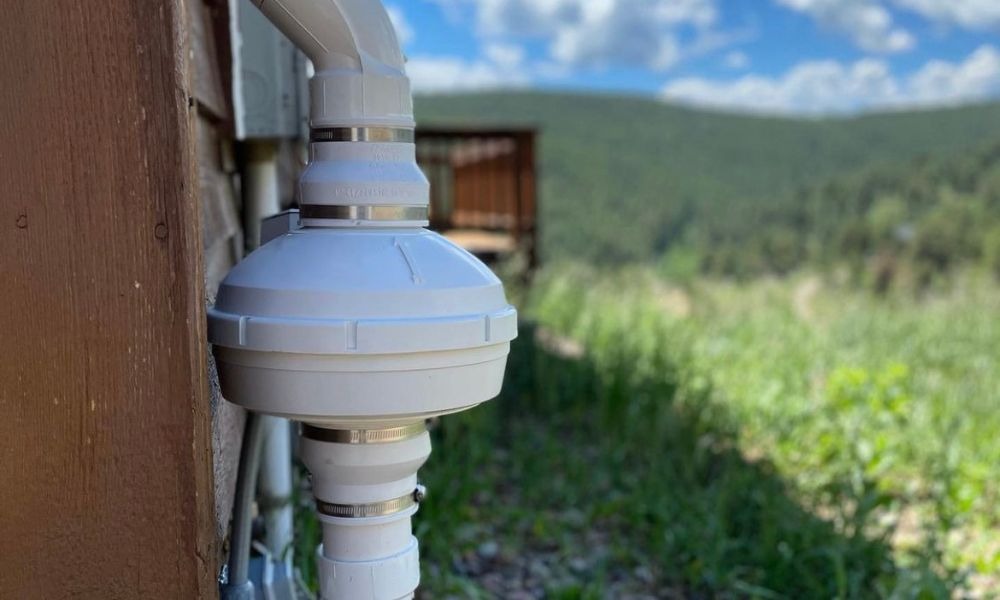
Radon mitigation involves reducing the concentration of radon in a building to safe levels. There are several methods to mitigate radon, with the most common being the installation of a radon mitigation system. These systems work by either reducing the radon levels beneath the foundation or improving ventilation to prevent the gas from accumulating inside the home. The type of mitigation system installed depends on factors such as the home’s foundation type (slab or basement), the radon levels present, and the soil characteristics beneath the house.
While radon mitigation systems can be installed in a variety of ways, they generally involve creating a path for radon gas to be vented outside the home. This is typically done through active or passive soil depressurization, which draws radon from under the foundation and expels it outside, away from the home’s living spaces.
DIY Radon Mitigation: Pros and Cons
Many homeowners opt to mitigate radon levels themselves as a way to save on the cost of professional services. However, the DIY approach may not always be the best option. Let’s break down the advantages and disadvantages of attempting radon mitigation on your own.
Pros of DIY Radon Mitigation
- Cost Savings: One of the primary reasons homeowners consider the DIY route is the potential for significant cost savings. Hiring a professional radon mitigation company can be expensive, with prices often ranging from $1,500 to $4,000 depending on the complexity of the job. By doing the work yourself, you can save a significant amount of money on labor costs.
- Personal Control: Some homeowners appreciate the sense of control that comes with tackling a home improvement project on their own. If you enjoy working with tools and have experience with home maintenance, the process of installing a radon mitigation system may seem like a manageable task.
- Learning Experience: DIY projects can be rewarding, especially when you successfully complete the task. By installing a radon mitigation system yourself, you may gain valuable knowledge about how radon works, how to test for radon, and how to improve the overall safety of your home.
- Flexibility: As a DIYer, you have the flexibility to schedule the work at your convenience, rather than waiting for a contractor’s availability. If you are working on a tight timeline, this can be an appealing benefit.
Cons of DIY Radon Mitigation
- Lack of Expertise: Radon mitigation systems require specialized knowledge of building systems, ventilation, and radon gas behavior. Without proper training, there is a risk that the system may not be installed correctly, potentially leaving your home at risk of elevated radon levels. A poorly designed system may fail to reduce radon effectively, and you may not know until it’s too late.
- Potential for Damage: Installing a radon mitigation system often involves making modifications to your home’s foundation, such as drilling holes or cutting into concrete. Without proper experience, you could inadvertently damage your home, leading to costly repairs or safety hazards.
- Inconsistent Results: DIY radon mitigation systems are often less effective than those installed by professionals. Inadequately sealed cracks or improperly installed venting systems may result in radon gas continuing to seep into your home, undermining your mitigation efforts. Additionally, a DIY system may not be as durable or long-lasting as a professionally installed one.
- No Warranty: Professional radon mitigation companies typically offer warranties for their work, guaranteeing that the system will function as expected. If you decide to install the system yourself, you won’t have that same assurance. If the system fails or if radon levels remain high, you would be responsible for fixing the problem at your own expense.
- Time and Effort: While DIY projects can be satisfying, they often require significant time and effort. Radon mitigation is a complex task that involves technical knowledge and specialized tools. If you don’t have the required expertise, you may end up spending much more time on the project than initially anticipated.
Professional Radon Mitigation: Pros and Cons
Hiring a professional Radon Removal company comes with several advantages. However, there are also some downsides to consider. Below is an overview of the benefits and drawbacks of hiring a professional to handle your radon mitigation needs.
Pros of Professional Radon Mitigation
- Expertise and Experience: The most significant advantage of hiring a professional is their expertise in radon mitigation. Professionals are trained and experienced in assessing radon levels and designing mitigation systems that are tailored to your home. They understand the nuances of the local environment and building codes, ensuring that the system is effective and compliant with regulations.
- Guaranteed Results: Professional radon mitigation companies provide guarantees for their work, typically offering warranties that last for several years. If the radon levels in your home remain high after the system is installed, the company will return to make adjustments or repairs at no extra cost. This peace of mind is invaluable, especially considering the health risks associated with radon exposure.
- Efficient and Reliable: Professionals have the tools, equipment, and know-how to complete the job efficiently and effectively. They can quickly identify the source of the radon problem and implement the best solution, saving you time and frustration. Moreover, the system they install is likely to be more durable and reliable than a DIY system.
- Comprehensive Solutions: A professional radon mitigation company will not only install the mitigation system but also assess the overall ventilation of your home and offer advice on how to further reduce radon exposure. They will ensure that the system is designed to meet the specific needs of your home and that it will be effective in the long term.
- Adherence to Building Codes: Radon mitigation systems must adhere to local building codes and regulations. Professional companies are familiar with these codes and ensure that the installation is compliant. This can be especially important if you plan to sell your home in the future, as improperly installed systems may complicate the sale process.
Cons of Professional Radon Mitigation
- Higher Cost: The primary downside of hiring a professional is the cost. Radon mitigation systems installed by professionals typically range from $1,500 to $4,000, depending on the complexity of the job. While the cost may seem high, it includes labor, materials, and the expertise required to install a safe and effective system. However, this price may not be feasible for all homeowners.
- Scheduling and Availability: Depending on the demand for radon mitigation services in Ottawa, you may need to wait for an available appointment. Professional companies may also be limited by their schedules, meaning you could experience some delays in getting the work done.
- Less Control: When you hire a professional, you may have less control over the process compared to doing it yourself. While most contractors work closely with homeowners to design and install a system that meets their needs, you may not have the same level of personal involvement as you would in a DIY project.
Making the Decision: DIY or Hire a Professional?
The decision of whether to handle radon mitigation yourself or hire a professional depends on several factors, including your budget, skills, and the complexity of the job. Here are some key considerations to help guide your decision:
- Radon Levels: If your radon levels are only slightly above the recommended 200 Bq/m³ threshold, a DIY solution may be sufficient, provided you have the skills and tools required. However, if radon levels are significantly higher or if your home has complex features (e.g., multiple levels, poor ventilation), hiring a professional is likely the better option.
- Skill Level: If you have experience with home maintenance, tools, and construction, you may feel confident tackling the project yourself. However, if you lack the necessary skills or knowledge, it is better to hire a professional to ensure the system is installed correctly and safely.
- Budget: If you are on a tight budget and want to save money, DIY mitigation may be an attractive option. However, be aware that doing it yourself could result in costly mistakes or ineffective solutions. Professional installation may be a higher upfront cost, but it can offer long-term savings by ensuring the system works correctly and doesn’t require frequent repairs.
- Health and Safety: Radon is a serious health risk, and exposure to elevated levels can have long-term consequences. If you are concerned about your health and want to ensure that your home is fully protected, hiring a professional is the safest option. Professionals can ensure that the mitigation system is working as intended and offer a guarantee for their work.
Conclusion
Radon mitigation is an important step for ensuring the health and safety of your family, particularly in areas like Ottawa, where elevated radon levels are common. Deciding whether to take a DIY approach or hire professionals depends on your home’s specific needs, your budget, and your skill level. While DIY mitigation can save money and offer a sense of control, it carries risks in terms of effectiveness, safety, and the potential for costly errors. On the other hand, hiring professionals provides peace of mind, expertise, and guaranteed results but comes at a higher cost.
Ultimately, the decision should be based on the complexity of the radon issue in your home and your ability to safely and effectively install a mitigation system. For most Ottawa homeowners, hiring a professional radon mitigation company is the best way to ensure that the job is done correctly and that your family is protected from the dangers of radon exposure.
Disclaimer
The information provided in this article is for general informational and educational purposes only and should not be considered professional, medical, legal, or engineering advice. While every effort has been made to ensure the accuracy and reliability of the content, radon levels, building structures, soil conditions, and mitigation requirements can vary significantly from one home to another.
Homeowners should not rely solely on this article to diagnose, assess, or resolve radon-related issues. Radon testing and mitigation involve health and safety considerations, specialized tools, and technical expertise. Improper installation or mitigation methods may result in ineffective radon reduction or unintended damage to property.