How to Safely Handle Attic Mold During a DIY Removal Attempt
Mold in the attic can be an overwhelming problem for homeowners, especially when it’s hidden from view and allowed to grow unchecked. Attic mold is not only an aesthetic nuisance but can also lead to significant structural damage and pose serious health risks. For homeowners who prefer to tackle the issue themselves, the idea of Simons attic mold removal may seem like an affordable solution. However, dealing with mold, particularly in hard-to-reach spaces like attics, requires careful planning and execution to ensure that the removal process is done safely and effectively.
This article will guide you through the safest way to handle attic mold during a DIY removal attempt. From understanding the risks associated with mold exposure to the best methods for cleaning and sanitizing, we will provide a comprehensive approach to handling attic mold safely and minimizing the risk of contamination or health hazards.
Understanding Attic Mold and Its Risks
Before diving into the process of removing attic mold, it’s essential to understand why attic mold is such a concern. Mold thrives in areas that are moist, poorly ventilated, and have little light. Attics are often prime breeding grounds for mold because they are typically sealed off from the rest of the home, have inadequate airflow, and are vulnerable to roof leaks or temperature fluctuations.
Common causes of attic mold include:
- Roof leaks: Water from rain or snowmelt can seep into the attic through damaged or aging shingles, flashing, or vents.
- Poor ventilation: Without adequate intake and exhaust vents, warm, moist air from the home can condense in the attic, creating the ideal conditions for mold growth.
- Condensation: Warm air rising from the living spaces below can meet cooler attic surfaces, causing condensation to form and mold to grow.
- Excessive humidity: High levels of humidity, whether from weather conditions or activities like laundry drying, can also contribute to mold problems.
Mold in the attic can damage wood beams, insulation, and even the roof structure, weakening the integrity of your home. Furthermore, mold produces spores that can become airborne and spread throughout your home, potentially leading to respiratory problems, allergies, and other health issues, especially for those with weakened immune systems, asthma, or allergies.
The Dangers of DIY Mold Removal
While it’s tempting to try and save money by removing mold yourself, there are certain risks associated with DIY mold removal. Mold removal, especially in confined areas like attics, can be dangerous if not handled properly. Some of the risks associated with attic mold removal include:
- Exposure to mold spores: Mold spores are microscopic and can become airborne when disturbed. If you breathe in mold spores, it can cause respiratory issues, coughing, and allergic reactions. In some cases, long-term exposure to mold can lead to more severe health problems.
- Toxic mold: Some types of mold, such as black mold (Stachybotrys chartarum), produce mycotoxins that are harmful when inhaled or touched. These toxins can cause neurological issues, fatigue, and long-term health complications.
- Structural damage: Mold can weaken wooden beams, insulation, and roofing materials. Attempting DIY removal without proper knowledge of attic construction may inadvertently lead to damage, especially if insulation or structural components are disturbed improperly.
- Spreading contamination: Without proper containment procedures, mold spores can spread from the attic to other areas of the house, making the problem worse. This is particularly concerning if the mold is extensive or has been in the attic for a long time.
For these reasons, DIY attic mold removal requires careful planning, protective gear, and an understanding of the necessary procedures. If the mold infestation is severe or toxic, it’s generally recommended to hire a professional mold remediation service.
Step-by-Step Guide to Safely Handle Attic Mold During DIY Removal
If you decide to proceed with DIY attic mold removal, it’s essential to take the proper safety precautions and follow a systematic process. Here is a step-by-step guide to help you handle attic mold removal safely:
Assess the Situation and Decide If DIY Removal is Feasible
The first step is to assess the extent of the mold problem. If the mold is contained to a small, isolated area and you’re confident that the infestation hasn’t spread to other parts of the attic or home, DIY removal may be feasible. However, if the mold covers a large area, is in hard-to-reach spaces, or has been there for an extended period, it’s best to consult with a professional.
Look for signs of mold growth in:
- Insulation
- Wooden beams
- Roof sheathing
- Air ducts or vents
- Attic floor
If the mold covers more than 10 square feet or if you suspect the presence of toxic mold, you should seriously consider calling in a professional mold removal service. Toxic mold may require special handling to ensure it is removed safely.
Gather the Necessary Protective Gear
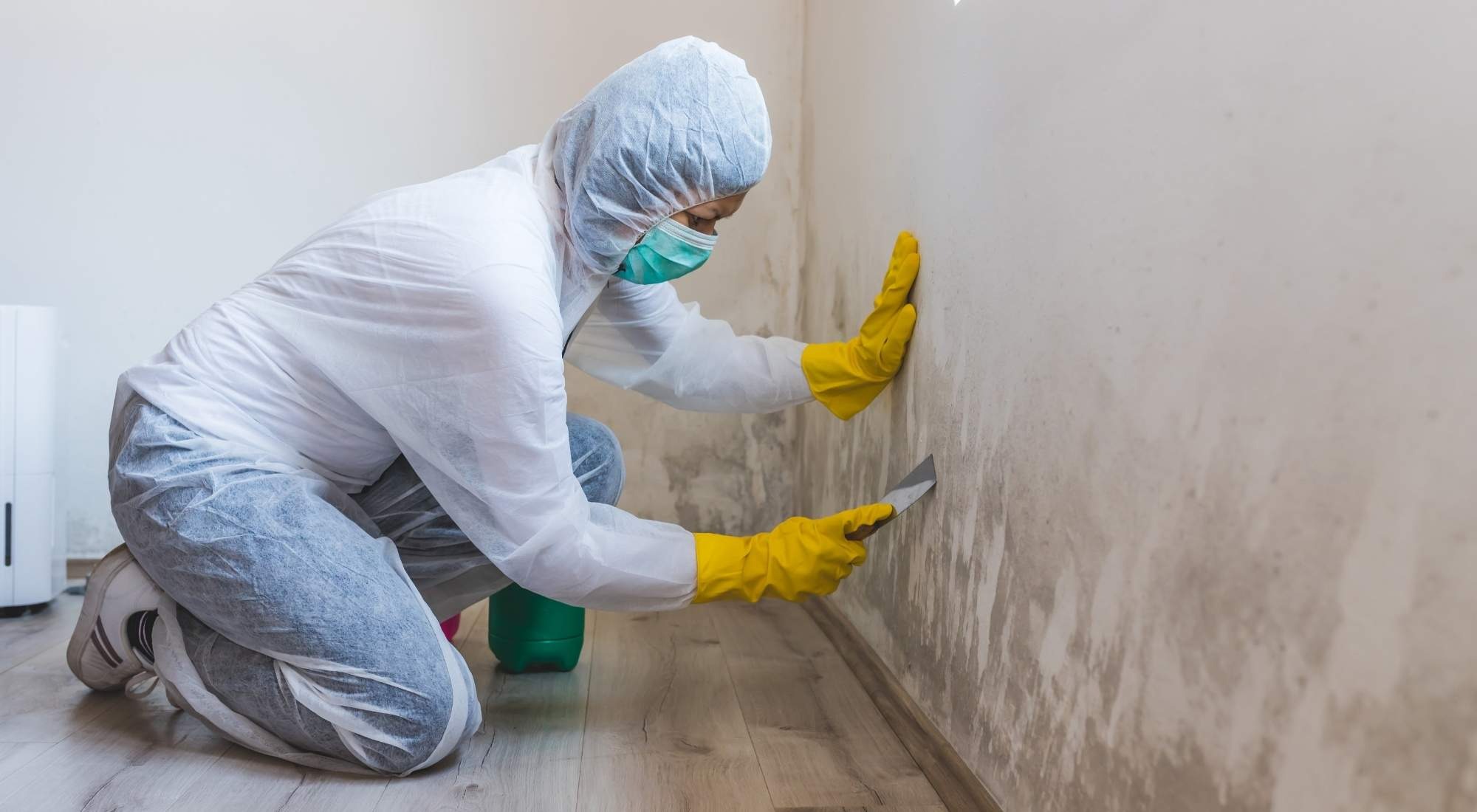
Safety should be your top priority during the mold removal process. Mold spores can cause significant health issues, so it’s essential to protect yourself from exposure. Before beginning the removal, make sure you have the following personal protective equipment (PPE):
- N95 respirator mask: This mask is designed to filter out mold spores and protect your lungs. Avoid using regular dust masks, as they do not filter out small mold spores effectively.
- Gloves: Wear heavy-duty gloves, such as rubber or latex gloves, to protect your skin from mold exposure.
- Safety goggles: Goggles will protect your eyes from mold spores and cleaning chemicals. Choose goggles that create a seal around the eyes.
- Protective clothing: Wear long sleeves, long pants, and waterproof boots to prevent mold from coming into contact with your skin. Consider wearing disposable coveralls to minimize contamination.
- Disposable bags: To dispose of mold-contaminated materials like insulation or drywall, use heavy-duty plastic bags that can be sealed and discarded.
Proper protective gear will minimize the risk of exposure to mold spores, mycotoxins, and other contaminants.
Contain the Area
Mold spores can spread easily through the air, especially when disturbed. To prevent spores from contaminating other areas of your home, it’s essential to properly contain the attic during the mold removal process.
Here’s how to do it:
- Seal off the attic: Use plastic sheeting or heavy-duty painter’s tape to seal off doors and vents that lead from the attic to the rest of the home. This will prevent mold spores from escaping into other areas of the house.
- Negative air pressure: If possible, use a negative air pressure system in the attic. This system uses an air scrubber with a HEPA filter to pull air into the affected area and prevent mold spores from escaping into the rest of the house.
- Turn off the HVAC system: Before starting the mold removal, turn off the home’s HVAC system to prevent the spores from being circulated throughout the house via the ducts.
Proper containment is essential to prevent mold from spreading, especially in homes with central air or HVAC systems that could easily distribute spores.
Remove Mold-Infested Materials
Once the attic is contained and you have your protective gear in place, it’s time to begin removing mold-infested materials. Mold often grows on materials like insulation, drywall, and wooden beams, and these materials may need to be replaced.
- Insulation: If the insulation is heavily contaminated with mold, it will need to be removed and replaced. Mold-infested insulation is difficult to clean, and leaving it behind can lead to further mold growth. Wear gloves and goggles when handling contaminated insulation.
- Drywall and other porous materials: If mold has infiltrated drywall or other porous materials, these may need to be removed as well. Cut out the affected areas and dispose of them in sealed plastic bags.
- Wood beams and rafters: If mold is present on wood, it can often be cleaned with a mold-killing solution. Use a scrub brush or cloth to remove surface mold from wood. For deep infestations, you may need to sand down the wood to completely remove mold and prevent regrowth.
Remember to dispose of all mold-infested materials carefully in sealed plastic bags. Contaminated materials should never be left in the attic or placed in regular garbage bins.
Clean and Disinfect the Area
After removing contaminated materials, the next step is to clean and disinfect the attic. The goal here is to kill any remaining mold spores and prevent them from growing back.
- Clean surfaces with a mold-killing solution: Use a solution of water and detergent or a commercial mold cleaner to scrub any remaining surfaces in the attic that were affected by mold. For deeper cleaning, you can use a mixture of vinegar and water or hydrogen peroxide, which have been shown to effectively kill mold.
- Use a HEPA vacuum: After cleaning surfaces, use a HEPA vacuum to remove any remaining dust, mold spores, and debris from the attic. A HEPA vacuum is designed to trap even the smallest mold spores and prevent them from becoming airborne.
- Air purification: Run a HEPA air purifier in the attic to further filter out any airborne mold spores. This step is crucial in ensuring that the air quality in the attic is safe.
Dry the Attic Completely
Mold thrives in damp environments, so ensuring that the attic is completely dry is key to preventing future mold growth. Use dehumidifiers and fans to dry out the space. Set up dehumidifiers in the attic to reduce humidity levels to under 60%, which is crucial for preventing mold from returning.
Ensure that the attic is well-ventilated and that moisture is removed from the air. Check the humidity levels using a hygrometer to confirm that the space is dry.
Inspect for Moisture Sources
Before completing the mold removal process, you must identify and address any moisture issues in the attic. If the mold was caused by roof leaks, inadequate ventilation, or high humidity, these issues need to be fixed to prevent mold from returning.
- Fix roof leaks: Inspect the roof for leaks and repair any damage immediately. If necessary, hire a professional roofer to replace damaged shingles or flashing.
- Improve ventilation: Ensure that the attic has adequate intake and exhaust ventilation. Installing ridge vents, soffit vents, or a powered attic fan can help maintain proper airflow and reduce humidity.
- Insulate properly: Insulation is key to maintaining proper temperature control in the attic. Proper insulation prevents condensation from forming on cold surfaces and reduces the risk of future mold growth.
Dispose of Contaminated Materials Safely
Once the attic has been cleaned, sanitized, and dried, it’s time to properly dispose of any mold-infested materials. Contaminated insulation, drywall, and other materials should be sealed in plastic bags and discarded safely. Avoid carrying contaminated materials through the rest of the house to prevent spores from spreading.
Conclusion
Handling attic mold during a DIY removal attempt can be risky, but with the right precautions, tools, and techniques, it is possible to address the problem safely. The key to successful DIY mold removal lies in preparation, safety, and thoroughness. By assessing the situation, using protective gear, containing the area, and following the steps to remove, clean, and sanitize the attic, you can effectively handle attic mold and reduce the chances of future growth.
If the mold problem is extensive or if you are unsure about your ability to handle the removal safely, consider contacting a professional mold remediation service. Mold removal professionals have the experience, equipment, and knowledge necessary to tackle even the most severe infestations, ensuring your home remains safe and healthy for you and your family.